



SUSTAINABLE MOBILITY AS A RIGHT

The Sustainable Mobility Act promotes a more accessible model, prioritises active mobility and public transport, and recognises sustainable mobility as a right of citizens.


Benefits of booking through our website
Sorry, this blog is only available in European Spanish.
The Sustainable Mobility Act promotes a more accessible model, prioritises active mobility and public transport, and recognises sustainable mobility as a right of citizens.
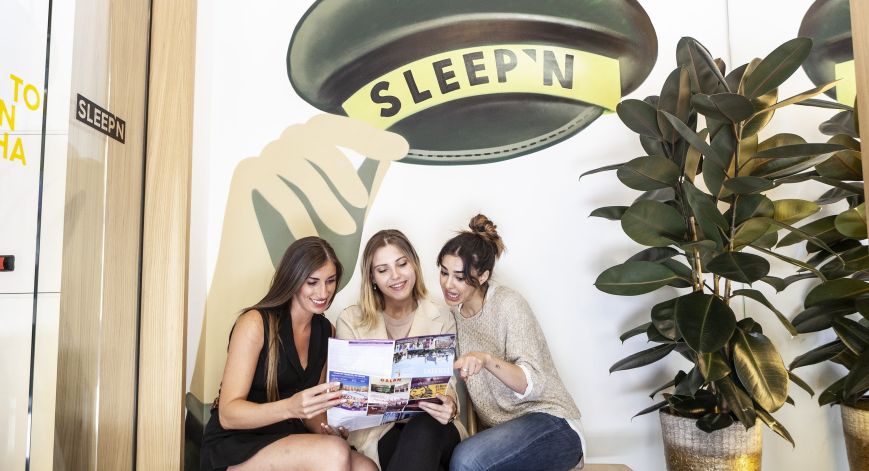
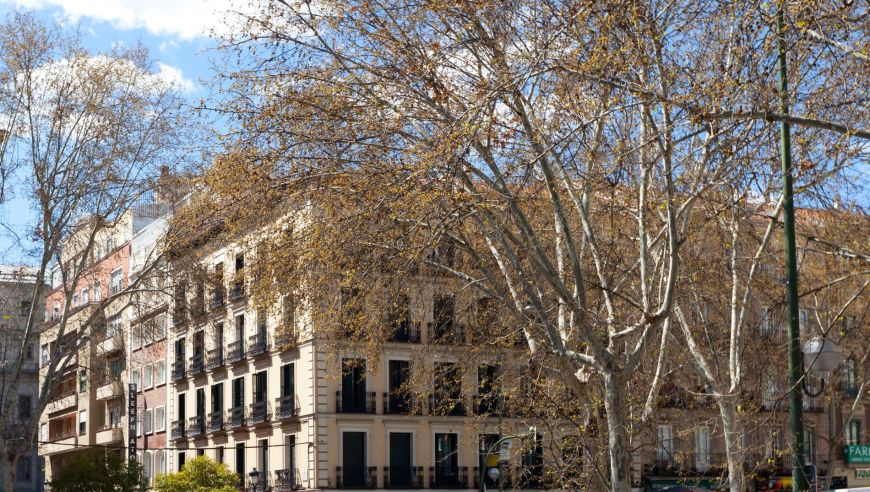
SLEEP’N Atocha turns hospitality into an act of sustainability, combining comfort, design and environmental and social commitment to offer a responsible, local and conscious accommodation experience in the heart of Madrid.
Staying at SLEEP’N Atocha, just a stone’s throw from the Reina Sofía, the Prado and the Thyssen, allows you to explore the Art Triangle and other nearby cultural venues at your leisure, whilst enjoying a sustainable, comfortable and welcoming hotel with a home-cooked breakfast.
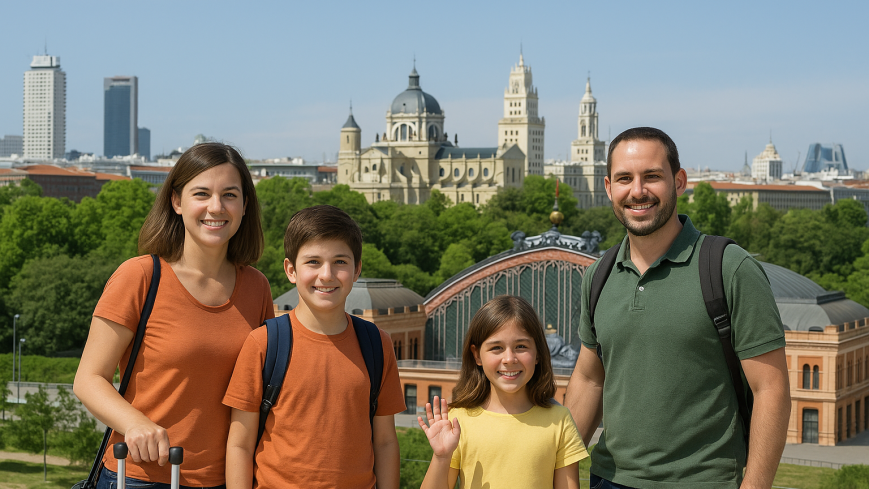
Travelling to Madrid as a family is easier from the Atocha area, where there is a concentration of museums, parks and comfortable accommodation for all ages. One standout option is SLEEP'N Atocha, a sustainable, family-friendly hotel.
A responsible traveller looks for sustainable accommodation by following 10 key guidelines: that it holds certifications, saves water and energy, reduces plastic, uses local products, supports the community and is transparent.
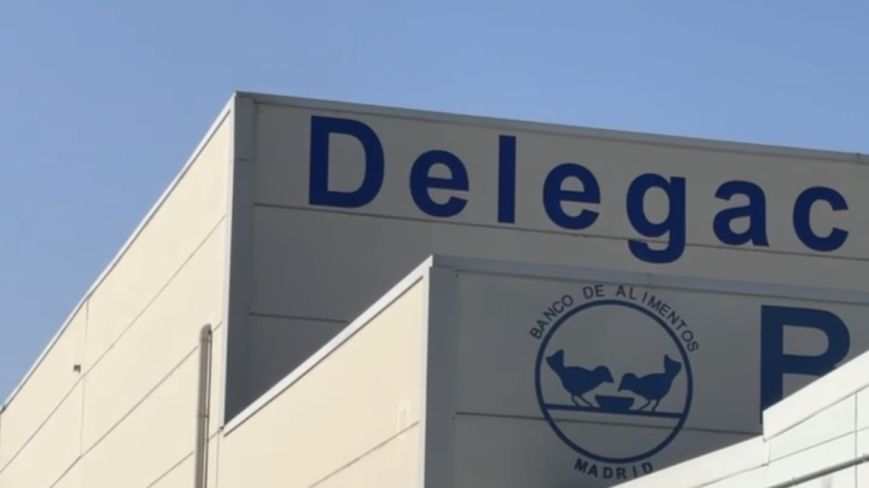
The SLEEP'N team volunteered at the Food Bank, helping to sort food. This experience has strengthened our commitment to solidarity and making a positive impact.
After visiting the Reina Sofía from SLEEP'N Atocha, the author discovers in *Un mundo de Ángeles Santos* a poetic and powerful contemporary allegory about the fragility and hope of the planet.
A Sunday at Madrid’s Rastro flea market is an experience brimming with life, antiques, traditional flavours and urban culture. From Cascorro to SLEEP’N Atocha, every stop celebrates tradition and sustainability.
At the Thyssen-Bornemisza Museum, we can see George Grosz’s *Metropolis*, whose critique of urban dehumanisation still resonates today in the face of the challenges of sustainability and environmental balance.
Harmon brings together various experts from the public and private sectors to examine the key aspects of a project that aims to combine economic growth and sustainable development at all levels.