





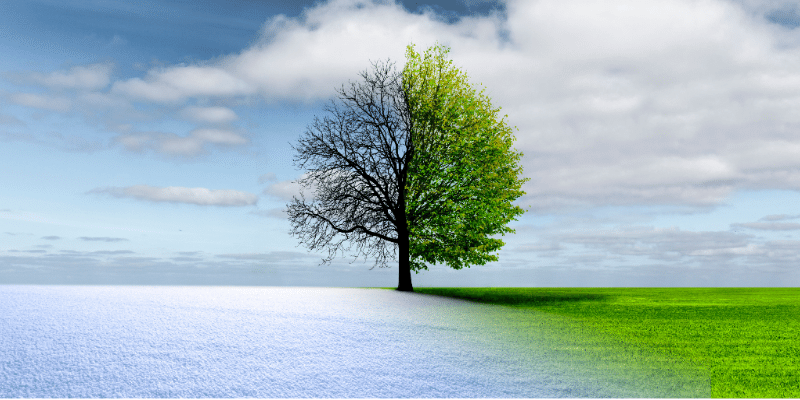
Every year, many countries around the world change their clocks, adjusting them in spring and autumn. In Spain, this change takes place on the last Sunday in March, and this year, the clock change happens today, in the early hours of 31 March. But why do we change the clocks? What is the purpose and history behind it? In this SLEEP’N blog post, we explore these questions and look at the reason behind the clock change in Spain.
WELCOMING SPRING
The arrival of spring brings with it longer, sunnier days, and what better way to make the most of that natural light than by changing our clocks. By putting the clocks forward by one hour, we can enjoy more hours of sunshine in the afternoon, which encourages us to get out and make the most of the lovely weather.
IS THIS MEASURE REALLY EFFECTIVE?
Although the time change has been in place since 1981 and is enshrined in law, some experts question its effectiveness. The Spanish Sleep Society and other groups have warned of the adverse effects of the time change, ranging from irritability and lack of concentration to serious health problems such as obesity, diabetes and heart attacks.
Despite these concerns, the European Commission’s proposal to end daylight saving time in 2019 was postponed until 2021 due to disagreements amongst member states, and has not yet been implemented. Although setting the clocks forward may mean we can make better use of natural light during the summer months, some experts believe that the energy savings achieved through this measure are minimal.
CONTINUING THE TRADITION
As we move towards a future characterised by greater environmental and social awareness, it is essential that we continue to reflect on the relevance and effectiveness of practices such as the clock change. Whilst this measure has been a long-standing tradition for decades, the current debate over its usefulness and potential adverse effects invites us to reconsider its relevance in today’s context.
It is crucial that we seek solutions which not only promote a more efficient use of time, but also contribute positively to environmental sustainability and the general well-being of society. Ultimately, we must be open to exploring new alternatives and adapting to the changing challenges of our evolving world.