




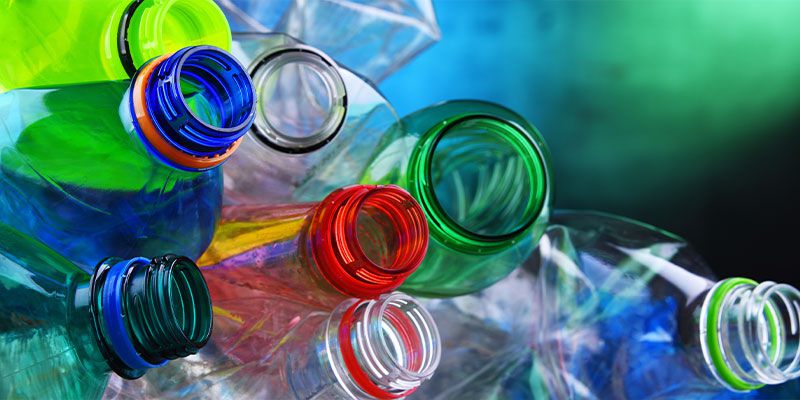
The new law on waste and contaminated land, which was recently passed, is clearly aimed at promoting the efficient use of resources and encouraging recycling, recovery and reuse.
It is a package of regulations designed to transition our country from a linear economy to a circular economy.
WHAT ARE THE MAIN CHANGES?
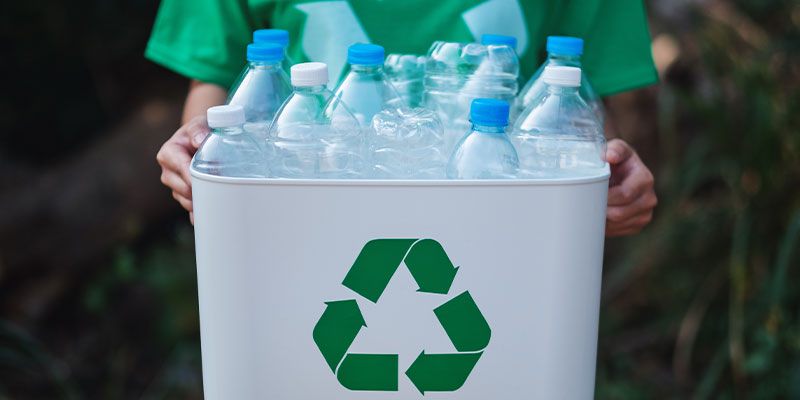
One of the key points is the ban, coming into force in 2023, on the sale of single-use plastics such as straws, cotton buds, cutlery, cups, lids and caps.
It also promotes the sale of goods in bulk in supermarkets by requiring supermarkets larger than 400 metres to dedicate, by the end of 2023, at least 20 per cent of their floor space to the sale of unpackaged products. It also introduces a requirement for establishments selling food and drink to accept the use of reusable containers.
The use of non-bottled water will be encouraged through the installation of more drinking fountains. Furthermore, the hospitality and catering sectors will be required to serve non-bottled water free of charge.
The new law will allow local councils to ban the release of plastic balloons and smoking on beaches, to reduce the amount of cigarette ends and plastic that ends up in the ocean each year.
Another key point is the ban on the destruction of unsold surplus non-perishable goods such as textiles, toys or electrical appliances. These must be donated or reused.
Another major change is that, by the end of 2021, there will be separate collection of household organic waste and used cooking oil. And by the end of 2024, this will extend to textile waste, hazardous waste and bulky waste.
Furthermore, it requires local councils to remove asbestos from buildings and sites, for which a survey must be carried out and a timetable drawn up for its removal.
However, there will be a downside, as this will lead to increased costs for businesses and a fall in sales. For consumers, it will mean an increase in the price of every plastic product they buy, in the form of taxes.
A STEP FORWARD IN CONTRIBUTING TO THE SDGs
The new Act contributes to achieving the Sustainable Development Goals. It has an impact on SDG 3 (Good Health and Well-being) through the potential ban on smoking on beaches and the removal of asbestos; this will undoubtedly contribute to the fight against pollution of seas and oceans and climate change.
It also contributes to SDG 12 on Responsible Consumption and Production by proposing models based on the circular economy. And to SDG 13, Climate Action, as all the measures have a positive impact on this goal.
The figures on global plastic production – some 400 million tonnes – are alarming, as is the estimate that one million plastic bottles are sold every minute across the planet. Of this plastic, 8 million tonnes end up in the oceans every year, taking an average of 500 years to degrade.
Through all these measures, it is hoped to achieve a 50 per cent reduction in single-use plastic by 2022 and to reach a 70 per cent reduction by 2030.
For the first time, a major step forward has been taken with a view to the future of us all and that of the planet. Let us hope that these measures will encourage both businesses and the general public to get involved, so that together we can achieve these and other targets. We have a great deal of damage to reverse and ever less time to do so.